
Quality deck construction in Central Pennsylvania is not always visible on the day the crew leaves your property. The decisions that determine whether a deck performs safely, holds its appearance, and avoids structural problems for decades are mostly made beneath the surface and within the framing before the first decking board is ever installed. A deck that looks finished and attractive on completion day can have footing depths that will cause movement by the third winter, ledger attachment that will allow water infiltration within five years, or joist hardware that will corrode before it reaches half its expected service life. Understanding what separates a quality deck build from a poor one gives Central Pennsylvania homeowners the knowledge to evaluate what they are getting before they sign, and to recognize the difference between expert craftsmanship and shortcuts during and after the build.
The Foundation: What Happens Below Grade
Everything above grade on a deck depends on what happens below it. Footings that are correctly sized, correctly placed, and correctly depth-set produce a deck that stays stable through decades of Pennsylvania freeze-thaw cycles. Footings that are too shallow, too small in diameter, or poured in unstable soil produce a deck that heaves, settles unevenly, and transmits structural movement through every connection point above it.
Pennsylvania’s frost line in Dauphin County and surrounding Central Pennsylvania communities is approximately 36 inches below grade. Footings must extend below this depth to prevent the heaving that occurs when water in the soil freezes and expands during winter. A quality builder digs to the required depth on every footing regardless of how convenient a shallower hole would be. A shortcut builder stops when the hole is deep enough to feel stable, which is not the same thing as code-compliant depth.
Footing diameter matters equally. Footings must be sized to support the load they carry. A post at the corner of a large elevated deck supports more load than one at the corner of a small ground-level platform. A quality builder calculates footing diameter based on the structural load requirements of the specific design. A shortcut builder uses the same diameter for every footing regardless of the load it carries.
According to Dupont Decks’ 2026 guide to quality deck construction methods, smart design, solid framing, and expert craftsmanship determine how long a deck lasts. These details may not always be visible, but they are what separate a deck that simply looks good from one that performs well for decades.
West Shire Decks builds custom decks throughout Mechanicsburg, Dillsburg, York PA, Monkton MD, and surrounding Central Pennsylvania communities with footings engineered specifically for each project’s load requirements and site conditions. As Central PA’s only TimberTech Platinum Certified Contractor and a six-time winner of Harrisburg Magazine’s “Simply the Best” award from 2020 through 2025, their structural approach reflects the depth of experience that produces decks built to perform across Pennsylvania’s full range of seasonal conditions.
The Ledger Board: Where Most Deck Failures Begin
The ledger board is the horizontal member that connects the deck’s framing to the home’s structure and transfers the deck’s load to the home at the attachment point. According to the International Association of Certified Home Inspectors, improper ledger board attachment is behind 90 percent of all deck collapses in the United States. The ledger is where quality construction and shortcut construction diverge most consequentially.
A quality ledger installation begins with removing the home’s siding or cladding at the attachment point. Installing a ledger through siding rather than removing it creates a moisture trap between the ledger and the wall that causes rot to develop in the ledger, the rim joist behind it, and the home’s framing over time. According to Webfoot Home Improvements, water getting into cracks between the deck and the house can cause mold and mildew growth, rot, and other damage that leads to costly repairs and structural problems with the home itself.
Flashing is installed over and behind the ledger to direct water away from the wall rather than into the gap between ledger and home. Flashing installed incorrectly, or skipped entirely, allows water infiltration that begins damaging both the ledger and the home’s structure within two to three seasons of construction.
Fasteners connecting the ledger to the home’s rim joist must be the correct diameter, length, and spacing for the load the ledger carries. Lag screws or bolts at code-specified spacing transfer the vertical and lateral loads that the deck places on the ledger connection. Nails, inadequate screws, or insufficient fastener count at the ledger produce a connection that fails progressively under the combined live and dead loads of the deck.
A homeowner cannot see most of this once the deck is complete. The flashing is behind the ledger. The fasteners are set flush into the ledger face. The quality of this connection is entirely a function of what was done during installation, not what is visible afterward.
Structural Framing: Where Shortcuts Are Invisible Until They Are Not
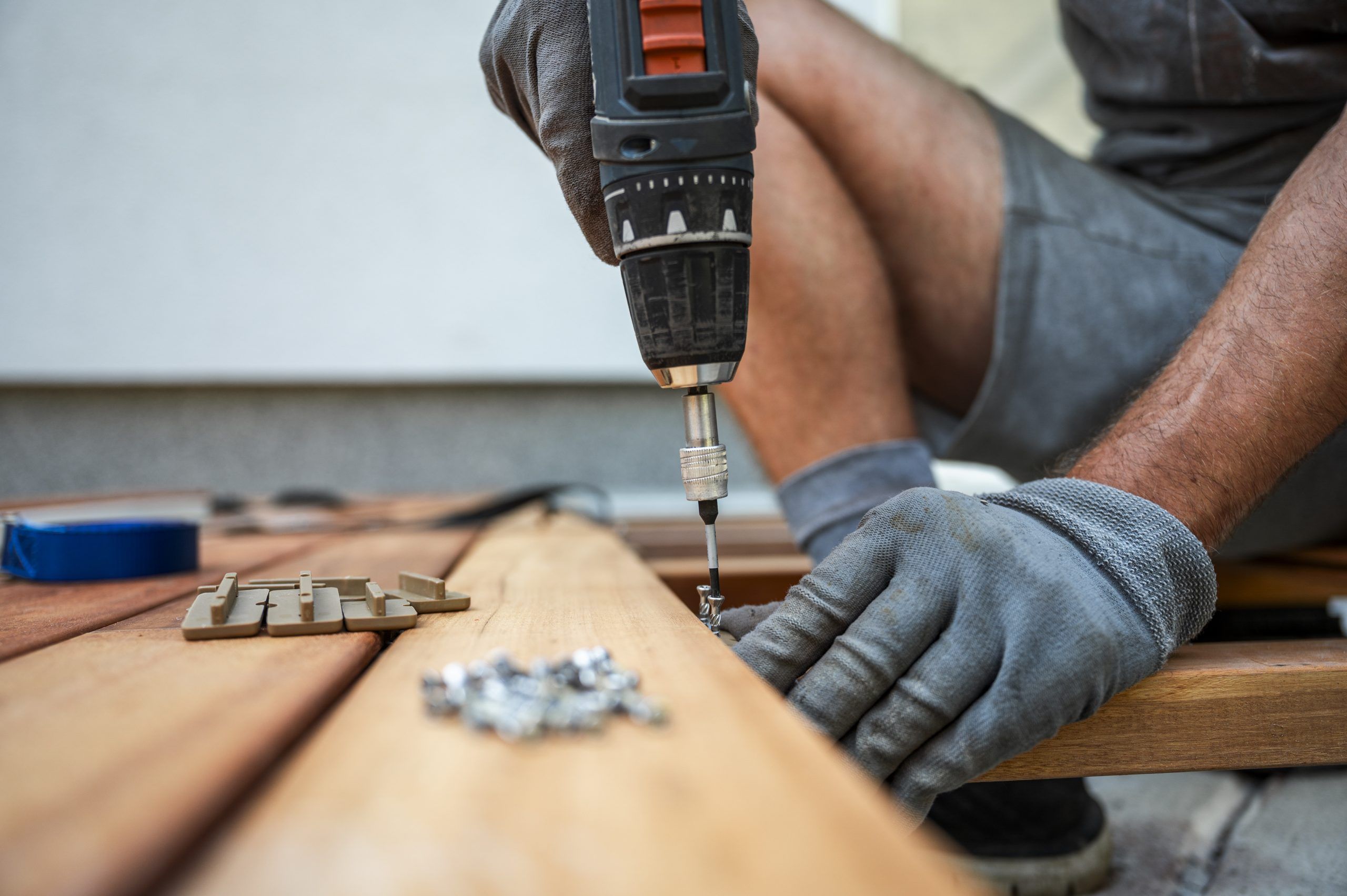
The framing system, including beams, joists, posts, and connection hardware, is the structural skeleton of the deck. Everything above it depends on how well it was designed and installed. Framing shortcuts are invisible from the deck surface and visible only when structural symptoms develop, which in Central Pennsylvania’s climate may take five to ten years to become apparent.
Joist spacing affects both structural performance and long-term surface stability. Joists spaced at 16 inches on center provide a different level of support than those at 24 inches on center, and composite decking materials have specific maximum joist spacing requirements that, if exceeded, produce surface deflection, squeaking, and accelerated fastener pull-through over time. A quality builder specifies joist spacing based on the decking material being installed. A shortcut builder uses whatever spacing is quickest to frame.
Blocking between joists at the deck’s perimeter and at midspan prevents joist rotation and provides the structural backing for fascia installation and railing post attachment. Skipping blocking produces a framing system that develops twist and bounce under live load and that lacks the structural backing required for railing posts to be correctly anchored. According to Coastal Outdoor Living’s 2026 guide to quality deck construction details, framing is the backbone of any deck and unfortunately where many contractors cut corners, using undersized framing, low-quality fasteners, or missing finish work.
Post-to-beam connections using manufactured post caps rather than toenailed connections produce significantly stronger and more durable structural joints. Post caps manufactured by brands including Simpson Strong-Tie are galvanized or stainless steel components that distribute load correctly between the post and beam while resisting the corrosion that untreated metal hardware develops in outdoor exposure conditions. A quality builder uses post caps, joist hangers, hurricane ties, and other manufactured connection hardware throughout the framing. A shortcut builder toenails connections and uses hardware that is not rated for the load or the exposure condition.
Hardware finish matters in Central Pennsylvania’s climate. Standard electro-galvanized hardware corrodes in contact with pressure-treated lumber, which now uses alkaline copper quaternary as its preservative treatment. ACQ-treated lumber is more corrosive to standard galvanized hardware than the older chromated copper arsenate treatment it replaced. Quality hardware for use with ACQ-treated lumber is hot-dipped galvanized or stainless steel. A quality builder uses the correct hardware specification for the lumber being used. A shortcut builder uses whatever hardware is cheapest.
Surface Installation: What Craftsmanship Looks Like on the Deck
The decking surface is the most visible element of the finished deck and the one most homeowners use to evaluate overall quality. There are specific installation details that distinguish expert surface work from careless installation, and most of them are visible to a careful observer.
Board layout planning is the difference between a surface that looks intentional and one that looks improvised. A quality installer plans the board layout across the full deck footprint before the first board is fastened, calculating where cut boards will land at the perimeter and ensuring that cut boards on opposite edges are equal in width and symmetrically positioned. An improvised layout starts from one edge and ends wherever it ends, producing asymmetric or visually awkward cut boards at the opposite edge.
Butt joints, where two deck boards meet end-to-end over a joist, should not appear randomly across the deck surface. When butt joints land in random positions, the deck surface reads as patchy and unresolved. A quality installer staggers butt joints systematically, ensuring they do not align across adjacent board rows and that each joint lands over a blocking or joist rather than in free span. According to Coastal Outdoor Living’s quality deck construction guide, one of the first signs of professional craftsmanship is clean, intentional board alignment. When boards meet randomly, it creates visual problems and can cause boards to shift over time.
A breaker board is a board installed perpendicular to the field boards at a transition point in the deck layout. Breaker boards create a controlled, intentional visual transition where board runs change direction or where the surface meets a feature element like stairs or a built-in bench. They also manage the thermal expansion dynamics of composite boards by providing a physical interruption in long board runs. A quality installer incorporates breaker boards as a designed element of the surface layout. A shortcut installer omits them and manages board runs without the structural and visual benefit they provide.
Picture framing, where boards run along the deck’s perimeter perpendicular to the field boards, produces a finished border that defines the deck’s edges with an intentional visual frame. Picture framing conceals the end grain of field boards at the perimeter and gives the deck surface a polished, complete appearance. According to Design Builders MD, high-end decks typically contain a decorative border around the entire perimeter. A quality build includes picture framing. A budget-conscious or shortcut build omits it.
Hidden fasteners produce a surface without visible screw heads. Composite decking systems from brands including TimberTech and Trex include hidden fastener clip systems that hold boards from beneath the surface without penetrating the top face. The result is a clean, continuous surface without the pattern of fastener heads that face-screwed installations produce. A quality composite deck installation uses hidden fasteners throughout the field and face screws only where structural or design requirements make hidden fasteners impractical.
Railing Installation: Where Safety and Quality Converge
Railing quality is both a safety requirement and a quality indicator. Under Pennsylvania’s Uniform Construction Code, railings on decks more than 30 inches above grade must withstand a 200-pound lateral load at the top rail. A railing that wobbles when pushed laterally is not meeting this standard regardless of how it looks.
Post anchoring is the most critical railing installation detail. Railing posts must be anchored to the deck’s structural framing, not to the decking boards. A post lag-bolted to the rim joist through the deck’s structural framing transfers lateral load to the structure. A post bolted only through the decking boards transfers load to the fasteners holding those boards, which is not the load path those fasteners were designed to carry. Post-to-framing anchoring is the difference between a railing that is structurally sound and one that looks correct but fails under the lateral loads that code requirements specifically address.
According to the International Residential Code requirements that Pennsylvania adopts through its UCC, posts cannot be notched where they attach to the deck framing. Notching reduces the post’s cross-sectional area at the point of highest structural demand, which is a failure mode that inspectors specifically flag because it is a documented safety hazard.
Baluster spacing must prevent a 4-inch sphere from passing through any opening in the railing assembly. This applies between balusters, between the bottom rail and the deck surface, and between end balusters and the post. A quality installer measures and confirms spacing at multiple points across each railing section. A shortcut installer measures a few and assumes the rest are consistent, which they frequently are not once post spacing, corner configurations, and stair sections are included.
Finish Details: What Professional Craftsmanship Looks Like Up Close
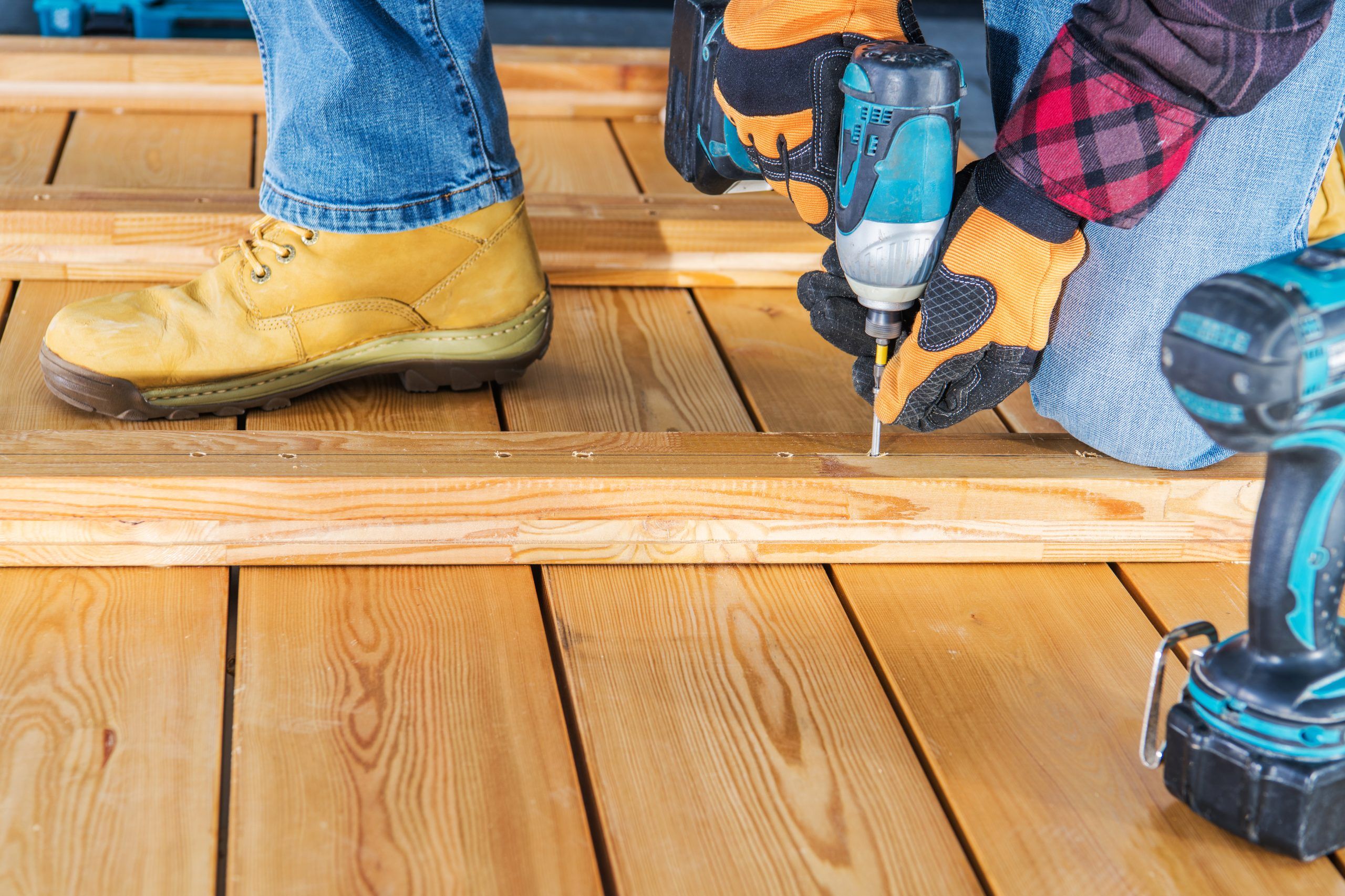
The finish details of a quality deck are observable to any homeowner who knows what to look for. They are where the gap between expert craftsmanship and careless work is most immediately visible.
Fascia boards covering the deck’s perimeter framing should be consistent in width, level, and tightly fitted at corners and transitions. Fascia that is wavy, inconsistently gapped, or poorly mitered at corners reflects installation carelessness that typically corresponds to similar carelessness in less visible elements of the build.
Stair construction is one of the most revealing quality indicators on any deck. According to Coastal Outdoor Living’s 2026 construction quality guide, deck stairs are one of the most visible areas of any project and poor finishing there immediately lowers the overall quality perception of the build. Rise and run dimensions must be consistent from step to step. Inconsistent stair rise dimensions are not only a code violation but a trip hazard. Stringer installation must be level across the stair width and securely anchored at both the deck connection at the top and the concrete pad or footing at the bottom. Stair treads should be level and consistently overhang the stringer face by a uniform amount across every step.
Cut board ends at the deck perimeter should be clean and consistent. Composite boards cut with an inappropriate blade or at incorrect speed produce a chipped or ragged cut face. A quality installer uses a fine-tooth blade appropriate for the specific composite material being cut and makes cuts at the manufacturer-recommended speed. The finished cut edge should be smooth and require no sanding or touching up.
How to Evaluate Build Quality Before and After Construction
Knowing what quality looks like gives Central Pennsylvania homeowners specific, concrete things to evaluate when reviewing a contractor’s portfolio, visiting an in-progress job site, or accepting a finished deck.
When reviewing a portfolio, look at stair construction quality in completed project photographs. Stairs reveal craftsmanship more clearly than any other deck element because inconsistency in rise dimensions, railing attachment, or tread overhang is visible in photographs without requiring physical inspection. Look for consistent fascia work at perimeter edges and corners. Look for picture framing or breaker boards that indicate surface layout planning rather than improvised installation.
When visiting an in-progress job site, look at the framing before decking boards are installed. Joist hanger installation quality, blocking presence at perimeter and midspan, hardware type and finish, and ledger flashing quality are all visible during the framing phase and invisible once decking is installed. Ask directly about footing depth. A confident, quality builder answers this question immediately with the specific depth and explains how it relates to the local frost line requirement.
When accepting a finished deck, test every railing section with firm lateral pressure at the top rail. Any movement indicates either post anchoring that is inadequate or blocking that is missing behind the post anchor location. Walk every stair run and feel for consistent rise dimensions. Check the surface for consistent board spacing across the full deck length. Review the fascia work at every perimeter face and corner for consistency and tight fit.
The project gallery at West Shire Decks shows completed builds across Central Pennsylvania at the level of finish detail that distinguishes quality construction from shortcut work. Their custom deck design and build process and composite deck expertise reflect construction standards built around doing every step correctly rather than quickly.

Final Thoughts
What separates a quality deck build from a poor one in Central Pennsylvania is mostly invisible from the street and often invisible from the deck surface itself. Footing depth below the frost line, ledger attachment with correct flashing and fastening, framing hardware rated for ACQ-treated lumber, joist spacing matched to the decking material, post anchoring into structural framing rather than decking boards, and surface layout planning that produces intentional board alignment and picture-framed edges are the specific details where quality construction and shortcut construction diverge.
These details determine not how the deck looks on completion day but how it performs across the winters, springs, summers, and falls of the next two to three decades. The 2024 Cost vs. Value Report confirms that a professionally built deck returns approximately 82.9 percent of its cost in wood and 68.2 percent in composite at resale. The word professionally built is doing most of the work in that sentence.
To discuss a deck project with a team that builds every detail correctly because their reputation depends on it, contact West Shire Decks at 717-557-2340 for a free consultation. Serving Mechanicsburg, Dillsburg, York PA, Monkton MD, and surrounding communities throughout Central Pennsylvania.