
The best material to put under a deck is crushed gravel combined with landscape fabric. The fabric blocks weeds and the gravel allows water to drain freely, keeping the area under your deck dry and clean. The right choice, though, depends on your deck height, how you want to use the space, and your local climate.
This article covers every major option, how they compare, and what works best for different situations.
Why What Goes Under Your Deck Actually Matters
Most people pour energy into choosing deck boards, railings, and colors — and then completely forget about what goes underneath. That is a mistake. The space under a deck is a trap for moisture, weeds, pests, and debris if left unmanaged.
Poor drainage under a deck accelerates wood rot in the framing and posts. Weeds push up through gaps. Animals find cozy homes in the dark space. And mud splashes up onto the structure every time it rains.
The good news is that the right ground cover solves all of these problems at once. It takes a little planning upfront and saves you a lot of headaches later.
The Best Materials to Put Under a Deck
Crushed Gravel: The Overall Best Choice
Crushed gravel — also called crusher run or angular gravel — is the top choice for most decks. It drains exceptionally well, stays in place, discourages weeds, and does not wash away easily. A 3 to 4 inch layer of crushed gravel spread evenly under the deck does the job for most homeowners.
Angular crushed stone locks together better than round river rock, which tends to shift and scatter. Go with ¾-inch crushed stone for the best combination of drainage and stability.
Pair It With Landscape Fabric
Lay landscape fabric directly on the soil before spreading gravel. The fabric blocks weed growth from below while still allowing water to pass through. Use a heavy-duty woven fabric — not the cheap thin rolls — for long-lasting results. Pin it down at the edges so it does not shift over time.
This combination — fabric plus gravel — is what most professional builders recommend for decks at standard heights.
Concrete or Pavers: Best for Usable Under-Deck Space
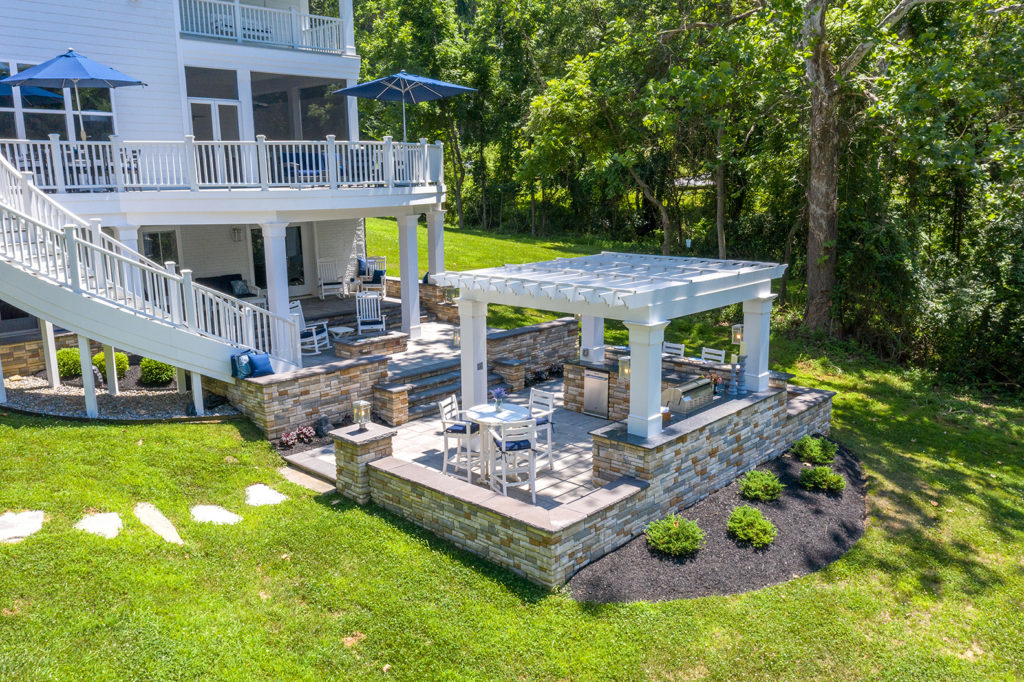
If you want to actually use the space under your deck — for storage, a workshop, or a dry outdoor sitting area — poured concrete or paver stones are excellent options.
Concrete creates a clean, solid surface that is easy to sweep and keep organized. Pavers give you a more attractive, flexible surface that can be adjusted if the ground shifts over time.
Both options cost more than gravel, but they transform an otherwise wasted space into a functional area. If your deck is high enough to walk under, this investment makes real sense.
The American Concrete Institute recommends a minimum thickness of 4 inches for residential concrete slabs used as ground cover or light-use surfaces — keep that in mind if you go this route.
Rubber Mulch: Low Maintenance and Weed-Resistant
Rubber mulch made from recycled tires is another solid option. It does not decompose, does not attract insects, and stays in place well. It also softens the ground beneath the deck, which matters if children play nearby.
The downside is appearance — rubber mulch can look out of place in some yard settings. It also absorbs heat, which is not ideal in very hot climates. But for low-maintenance weed suppression with good drainage, it performs well.
Plain Soil: What to Avoid
Leaving bare soil under a deck is asking for trouble. Bare ground grows weeds aggressively, stays muddy after rain, and invites insects and rodents to nest. It is the lowest upfront cost option with the highest long-term frustration. Skip it.
Comparing Under-Deck Materials at a Glance
| Material | Drainage | Weed Control | Cost | Best For |
|---|---|---|---|---|
| Crushed gravel + fabric | Excellent | Very good | Low-moderate | Most decks |
| Concrete slab | Good | Excellent | Higher | Usable storage space |
| Paver stones | Good | Excellent | Moderate-high | Attractive functional space |
| Rubber mulch | Good | Good | Moderate | Low-maintenance yards |
| Bare soil | Poor | None | None | Not recommended |
Special Considerations for Your Climate
In Pennsylvania and Maryland — where freeze-thaw cycles are common — drainage is especially important. Water that pools under a deck and freezes can cause ground movement that stresses your deck framing and posts over time.
Crushed gravel handles freeze-thaw conditions better than any other material because water moves through it freely rather than pooling. This is one more reason gravel is the default recommendation for decks in this region.
The Penn State Extension recommends grading the ground under any structure to slope away from the house at a rate of 6 inches per 10 feet — a detail that makes a big difference in long-term moisture management.
What About Under-Deck Drainage Systems?
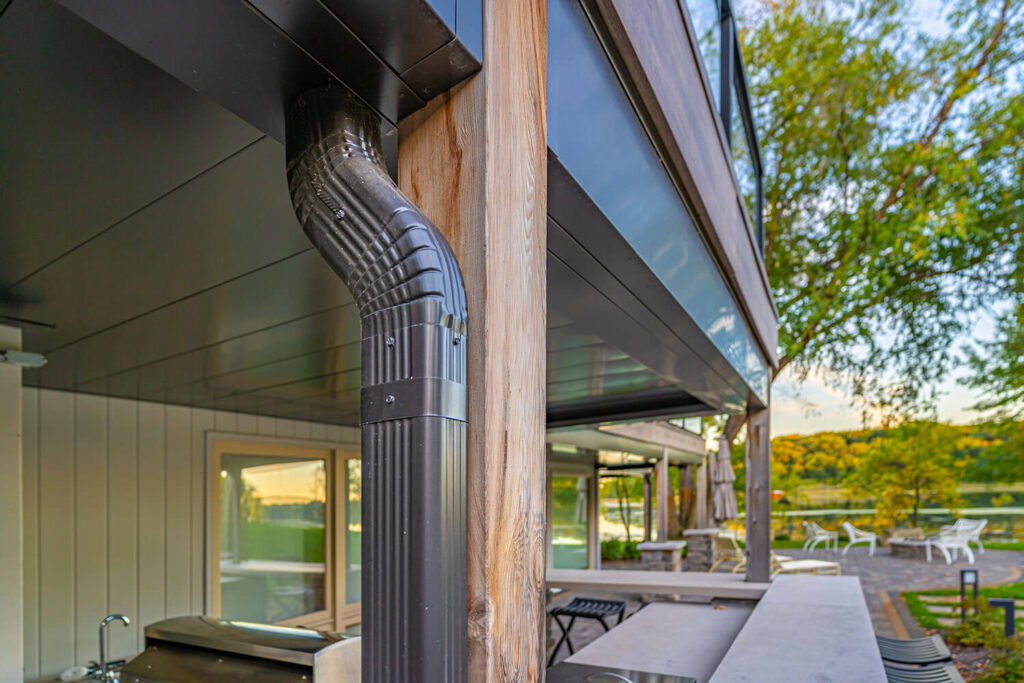
If your deck is elevated and you want the space underneath to stay dry even during heavy rain — think of it as a covered outdoor room — an under-deck drainage system is worth considering.
These systems attach to the underside of the deck joists and channel water away through gutters, keeping the space below completely dry. Combined with a concrete or paver floor, they create a genuinely usable outdoor room that stays protected year-round.
Our deck upgrades page covers additional options like under-deck drainage systems that can dramatically improve how you use your outdoor space.
Do Not Forget Pest Prevention
Whatever material you choose, take a few extra steps to deter pests from setting up home under your deck:
- Install a wire mesh skirt around the perimeter to block animals
- Keep gravel or ground cover at least 6 inches away from wood posts
- Check under the deck annually for signs of nesting or moisture buildup
Rodents and insects love the dark, protected space under a deck. A little prevention during installation is far easier than dealing with an infestation later.
Matching Under-Deck Material to Your Deck Type
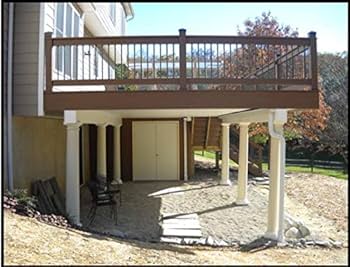
The right ground cover can also vary depending on the type of deck you have. A composite deck sits on the same framing as a wood deck, so drainage recommendations are the same. Ground-level decks with very little clearance may not need anything beyond landscape fabric and a thin gravel layer. Elevated decks with generous clearance open up more possibilities — including full concrete pads or drainage systems.
If you are still in the deck design phase, it is the perfect time to plan the under-deck ground cover alongside the rest of the build so everything works together from day one.
Final Thoughts
The best material to put under a deck is crushed gravel over landscape fabric for most homeowners — it drains well, blocks weeds, and requires almost no maintenance. If you want usable space under your deck, concrete or pavers take it to the next level.
Whatever you choose, do not leave bare soil. That single decision protects your deck framing, keeps your yard clean, and saves you from dealing with weeds and pests year after year.
Planning a new deck or upgrading an existing one? Contact West Shire Decks — our team will help you design a complete solution, from the ground up.