
You can repair a deck board yourself in most cases — especially if the damage is a crack, split, or a single rotten plank. The fix depends on how bad the damage is. Minor deck crack repair takes an hour or two. A full board swap takes a bit more work but is still a solid DIY project. This guide walks you through everything.
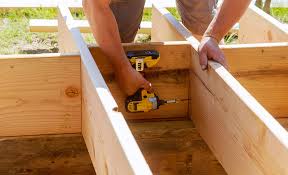
First, Check How Bad the Damage Is
Before you grab any tools, take a close look at what you’re working with. Not all board problems are the same.
Use a penknife to check the structural parts under the deck. If the knife goes in more than a quarter of an inch into the wood, it could be a sign of rot.
Here’s a quick way to sort your damage:
| Damage Type | What to Do |
|---|---|
| Small surface crack | Fill with polyurethane caulk |
| Split board (cosmetic) | Flip or glue and clamp |
| Soft, spongy spot | Cut out rot, patch or replace |
| Deep rot or structural damage | Replace the full board |
| Multiple bad boards | Consider deck resurfacing |
Homeowners typically pay $2,145 to repair a deck. Filling a few cracks with caulk is something most amateurs can handle — but leave cracked support posts to the pros.
How to Repair Split Deck Boards
Split boards are one of the most common deck problems. Wood expands and contracts with heat and moisture, and over time it cracks. The good news? Many splits can be fixed without buying new boards.
Option 1: Flip the Board Over
This trick works surprisingly well. Try unscrewing cracked boards and turning them upside down. The bottom side of the board often is in better shape. Weekand Unscrew, flip, re-fasten. Done.
Option 2: Glue and Clamp the Split
For splits you want to seal rather than replace:
- Clean out any debris from inside the crack
- Inject flexible polyurethane caulk into the cracks — avoid using wood putty as it will crack within a few weeks or months
- Place clamps across the cracks and tighten until glue oozes out or the crack is closed. Allow the clamps to remain on the boards overnight before removing them.
- Sand smooth with 80-grit, then 100-grit sandpaper
- Apply a deck sealer to protect the repair
This is a simple way to repair split deck boards without replacing them.
How to Replace a Damaged Deck Board
Sometimes the board is just too far gone. Rot, deep cracks, or soft spots mean it’s time for a swap.
Step 1: Remove the Old Board
If you have room to work under the deck, use a heavy hammer or maul to pound one end of the board up from the bottom. Once the board is separated from the first couple of joists, move up top and use a pry bar to pry up the rest.
Always place a scrap piece of wood under your pry bar so you don’t damage the boards next to it.
Step 2: Check the Joists
Once the board is out, look down at the joists underneath. Inspect the joists for any damage or rotting, and apply joist tape to protect them from moisture. If joists are rotten, that’s a bigger job — call a pro.
Step 3: Cut and Install the New Board
When installing a newly purchased pressure-treated board, measure the existing boards and cut the new one about 1/8 inch longer. This accounts for any shrinkage as it dries.
Drill pilot holes near the ends of the new board to prevent splitting. Screws have far superior holding power over nails. Use stainless steel or coated deck screws to resist rust.
Step 4: Sand and Seal
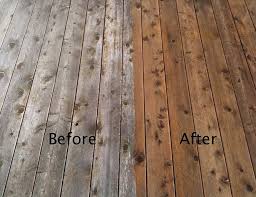
Once the board is secure, sand any rough edges. Then apply a deck stain or sealer to match the surrounding boards. You should re-stain or seal your deck every two to three years to protect against moisture, UV rays, and foot traffic.
A good deck stain repair job ties everything together. The new board will weather and blend in over time.
What About Deck Crack Repair for Minor Damage?
Not every crack needs a new board. For small surface cracks with no rot:
- Clean the crack out with a stiff brush
- Fill with flexible polyurethane caulk (not wood putty)
- Let it dry fully, then sand and seal
Avoid rigid wood filler on horizontal deck boards — it cracks quickly under the freeze-thaw cycles common in PA and MD winters. According to the U.S. Forest Service, wood movement from moisture changes is the leading cause of surface cracking in outdoor lumber.
When to Call a Pro Instead
Some deck repair ideas are great for DIY. Others are not.
Call a professional if you see:
- Rot spreading across multiple boards
- Soft or spongy joists or beams
- Leaning or wobbly posts
- A deck that bounces or feels unsafe to walk on
If a large section of your deck is damaged, deck resurfacing might make more sense than fixing boards one by one. And if the whole deck is past its prime, explore deck installation options for a fresh start.
Final Thoughts
Repairing a deck board is a job most homeowners can handle. Small cracks get filled. Split boards get flipped or glued. Rotten boards get swapped out. The key is to catch problems early and act before a small fix turns into a big one.
If your deck needs more than a board or two, or you’re not sure where to start, the team at West Shire Decks is happy to help. Contact us today for an honest look at what your deck needs.