
The best foundation for a deck is concrete piers or footings that extend below the frost line. They provide a stable, long-lasting base that resists shifting, settling, and frost heave. That said, the right foundation depends on your deck size, soil type, local frost depth, and whether the deck is attached to your home or freestanding.
This article covers every major deck foundation type, how they compare, and what to consider before you build.
Why the Foundation Is the Most Important Part of Your Deck
Think of your deck foundation like the roots of a tree. If the roots are shallow or weak, the tree tips over. If your deck foundation is wrong, the whole structure shifts, cracks, or fails — no matter how beautiful the decking on top looks.
A poor foundation is also a safety issue. The International Residential Code (IRC), which governs most residential construction in the U.S., requires deck footings to extend below the frost line to prevent movement caused by freeze-thaw cycles. Skipping this step is not just a bad idea — in most places, it is not up to code.
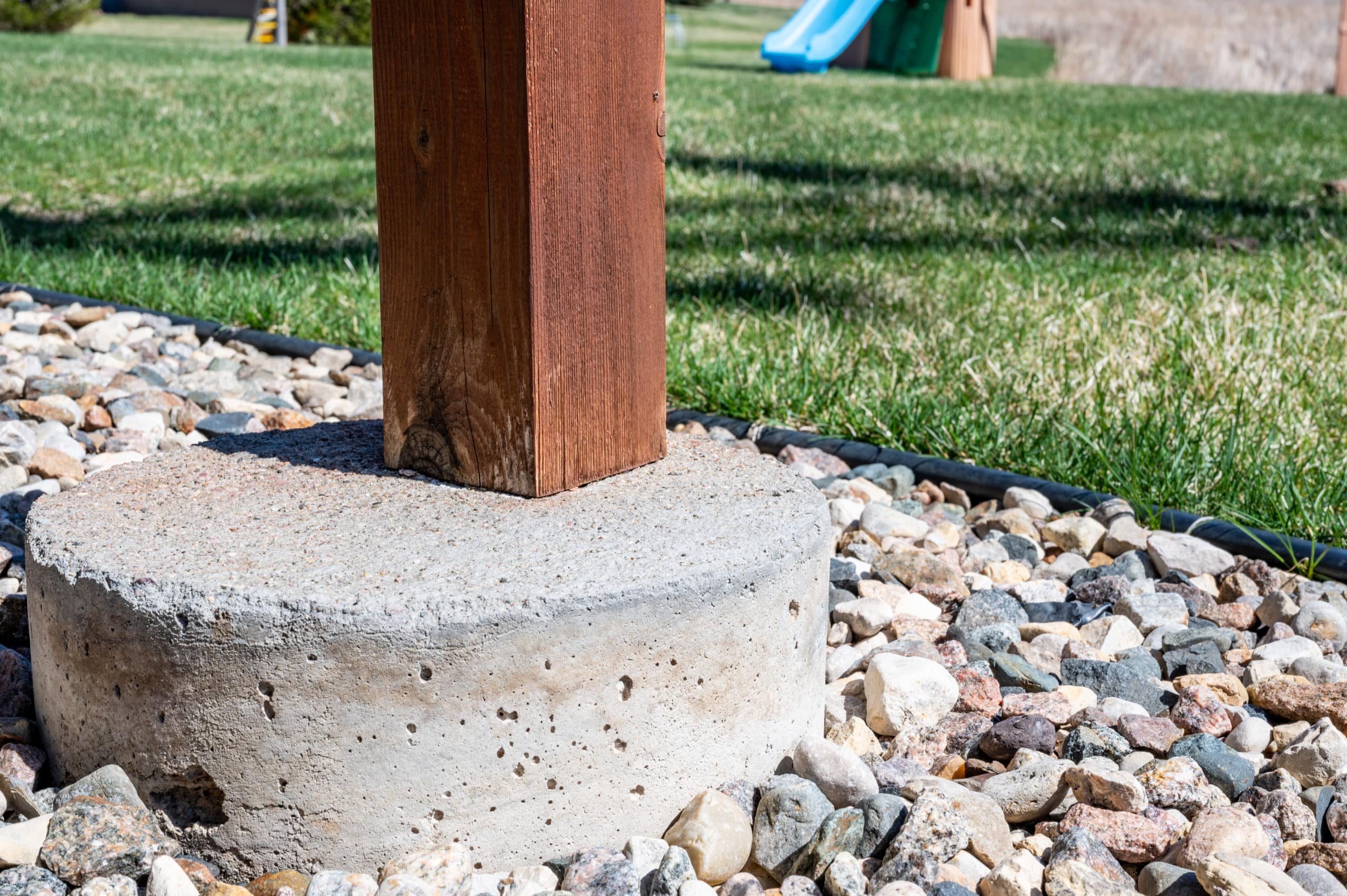
The Main Types of Deck Foundations
Concrete Pier Footings: The Most Common Choice
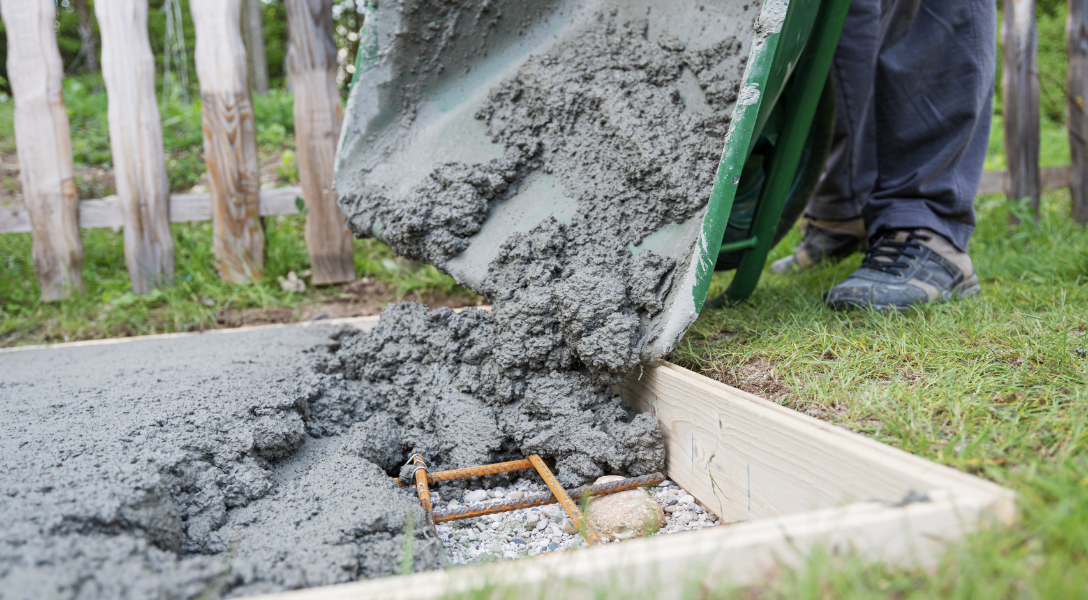
Concrete pier footings are the go-to foundation for most residential decks. A hole is dug below the frost line, a tube form is placed inside, and concrete is poured to create a solid cylindrical footing. A post base or J-bolt is set in the wet concrete to anchor the post above.
This method works well for almost any deck size and soil type. It is affordable, widely understood by builders, and holds up reliably for decades when done correctly.
How Deep Do Footings Need to Go?
Frost depth varies by location. In Pennsylvania and Maryland — where West Shire Decks builds — the frost line typically sits between 30 and 36 inches deep. Your local building department will specify the exact requirement for your area.
Footings that do not reach below the frost line will heave upward in winter and settle back down in spring. Do that enough times and your deck becomes uneven, unsafe, and structurally compromised.
Helical Piers: The Premium Option for Difficult Soil
Helical piers are steel screw-like anchors driven deep into the ground using hydraulic equipment. They reach stable soil or bedrock far below the surface — making them ideal for soft, wet, or unstable ground where traditional concrete footings struggle.
They are more expensive than standard concrete piers, but they offer superior load capacity and can be installed in almost any weather or soil condition. For large or elevated decks, helical piers are worth serious consideration.
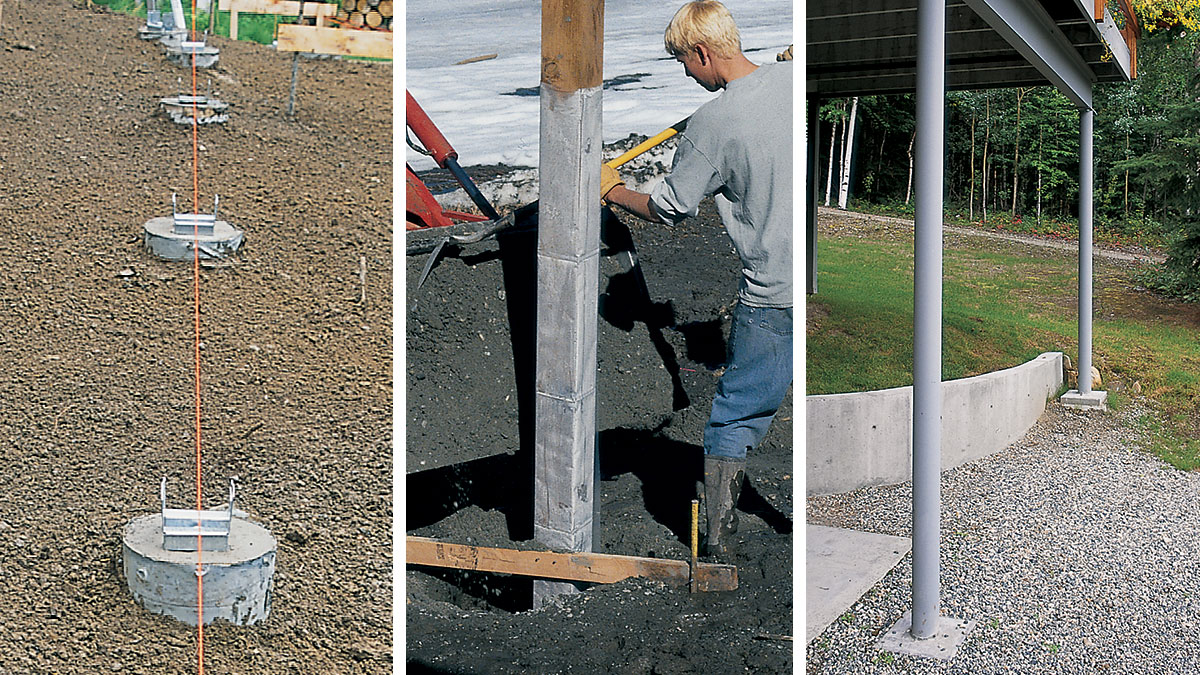
Deck Blocks: Only for Low, Freestanding Decks
Deck blocks are precast concrete blocks that sit on top of the ground rather than being buried. They are quick and inexpensive — but they are only appropriate for very low, freestanding ground-level decks in mild climates.
In frost-prone regions like PA and MD, deck blocks are a poor choice. They will shift with freeze-thaw cycles every year. Most local building codes do not permit them for attached decks or any elevated structure.
Concrete Slab: Practical for Ground-Level Builds
A poured concrete slab can serve as the foundation for a ground-level deck or patio deck. It provides a large, stable base that distributes weight evenly.
The drawback is drainage — water can pool beneath the structure if the slab is not sloped properly. It is also more expensive and labor-intensive than pier footings for standard elevated decks.
Comparing Deck Foundation Options
| Foundation Type | Best For | Frost Resistance | Cost | Durability |
|---|---|---|---|---|
| Concrete pier footings | Most residential decks | Excellent | Moderate | Very high |
| Helical piers | Soft/unstable soil, large decks | Excellent | Higher | Excellent |
| Deck blocks | Low freestanding decks | Poor | Low | Moderate |
| Concrete slab | Ground-level decks | Good | Moderate-high | High |
Key Factors That Determine the Right Foundation
Soil Conditions
Sandy, soft, or clay-heavy soil shifts more than compact, rocky soil. Knowing what is under your yard matters. A professional builder will evaluate soil conditions before recommending a foundation type. The USDA Natural Resources Conservation Service offers soil survey data by location if you want to check your area.
Deck Size and Load
A small ground-level deck puts far less load on footings than a large elevated deck with a hot tub, outdoor kitchen, or pergola. Bigger and heavier always means deeper, wider, and more footings.
Attached vs. Freestanding
Attached decks connect directly to your home’s ledger board and transfer some load to the house structure. Freestanding decks carry all their own weight and typically require more footings spaced closer together.
Local Building Codes
Always check with your local building department before breaking ground. Permits are required for most deck projects, and inspectors will check that footings meet code before framing begins. Skipping permits can create problems when you sell your home.
The American Wood Council publishes span tables and structural guides specifically for residential deck construction — a useful reference for understanding how foundation requirements relate to overall deck design.
What Happens When You Get the Foundation Wrong
This is not a scare tactic — it is just reality. A deck with an undersized or poorly placed foundation will:
- Develop uneven or bouncy boards over time
- Pull away from the house at the ledger connection
- Create gaps between posts and beams as settling occurs
- Fail inspection if you ever need to sell or refinance
Fixing a bad foundation after the deck is built is expensive and disruptive. Getting it right from the start is always the smarter path.
Our deck installation process starts with proper site evaluation and foundation planning — before a single board goes down.
Does Deck Material Affect Foundation Choice?
Yes, heavier decking materials require stronger foundations. A composite deck with dense boards, a pergola overhead, and built-in lighting weighs more than a simple pressure-treated wood platform.
If you are considering a composite deck or adding features like deck lighting or a pergola installation, make sure your foundation is sized to handle the total load from day one.
Final Thoughts
The best foundation for a deck is one that goes deep enough, matches your soil conditions, meets local code, and supports everything you plan to build on top of it. For most homeowners, that means concrete pier footings extending below the frost line — installed correctly by a professional who knows what they are doing.
A great deck starts underground. Everything above it depends on getting the base right.
Ready to build a deck that is safe, beautiful, and built to last? Contact West Shire Decks — our team will handle everything from foundation to finish, the right way from the very first step.